 Gabriela Weinstein
About me
The short version
is: I’m curious.
The long version is that I keep ending up in the same place from different directions — trying to understand why people choose one brand over another, and what it takes to build something they actually want to be part of.

I didn’t start out saying “I want to work in marketing.” I started out being fascinated by why people buy what they buy.
Wake Forest
Finding the discipline that fit
I came to Wake Forest University knowing I liked business and I liked creative work, and not yet knowing that there was a field built on the seam between them. Integrated Marketing Communications turned out to be exactly that: a major about how a brand shows up everywhere at once, and whether all of those signals add up to something a person trusts.
What has kept me in it is the consumer side. My favorite classes are the ones where the answer isn’t in the textbook — where you have to look at how people actually behave, find the gap between what a category offers and what someone genuinely wants, and build a case for the idea that closes it. That’s the work in my case studies, and it’s the work I want to keep doing.
Alongside the major I’m minoring in Russian, which I speak, read and write. It sounds unrelated until you realize it’s the same muscle: paying close attention to how meaning changes depending on who’s listening.
Studying marketing in two countries taught me the difference between a brand that travels and a brand that only works at home.
Sydney
Studying a market from inside it
Studying abroad at the University of Sydney put me in a market I had to learn from scratch. Australia has its own dessert culture, its own café rituals, its own sense of how sweet is too sweet — and none of it is obvious from an American classroom.
For my International Marketing course I used that as the whole point of my project: I took Crumbl, a brand engineered for American social media, and asked whether it could actually work in Sydney. Being on the ground changed my answer. It’s one thing to read that a market is competitive; it’s another to walk past the competitors every day.
Sweden & Norway
An entrepreneurial mindset, abroad
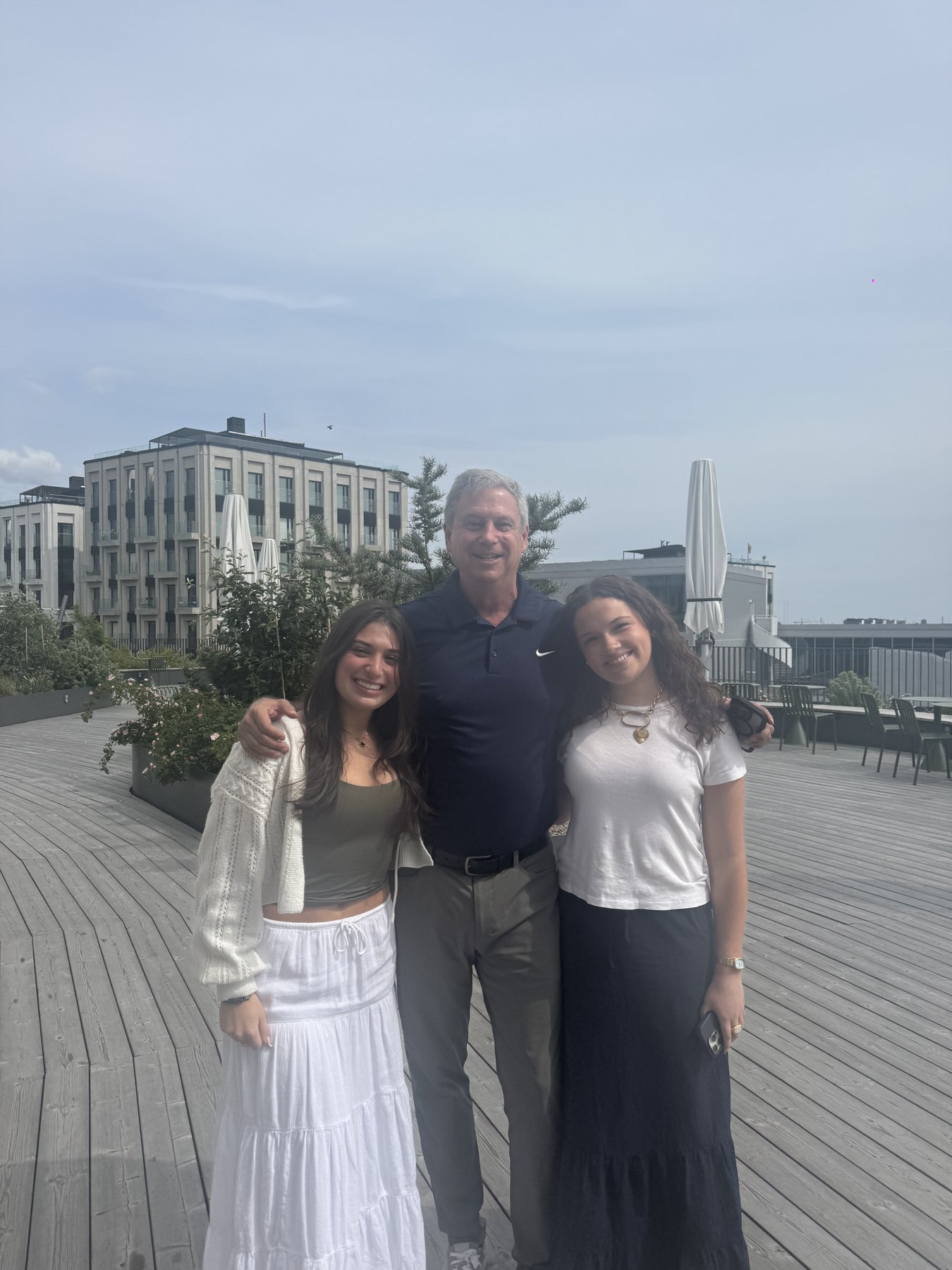
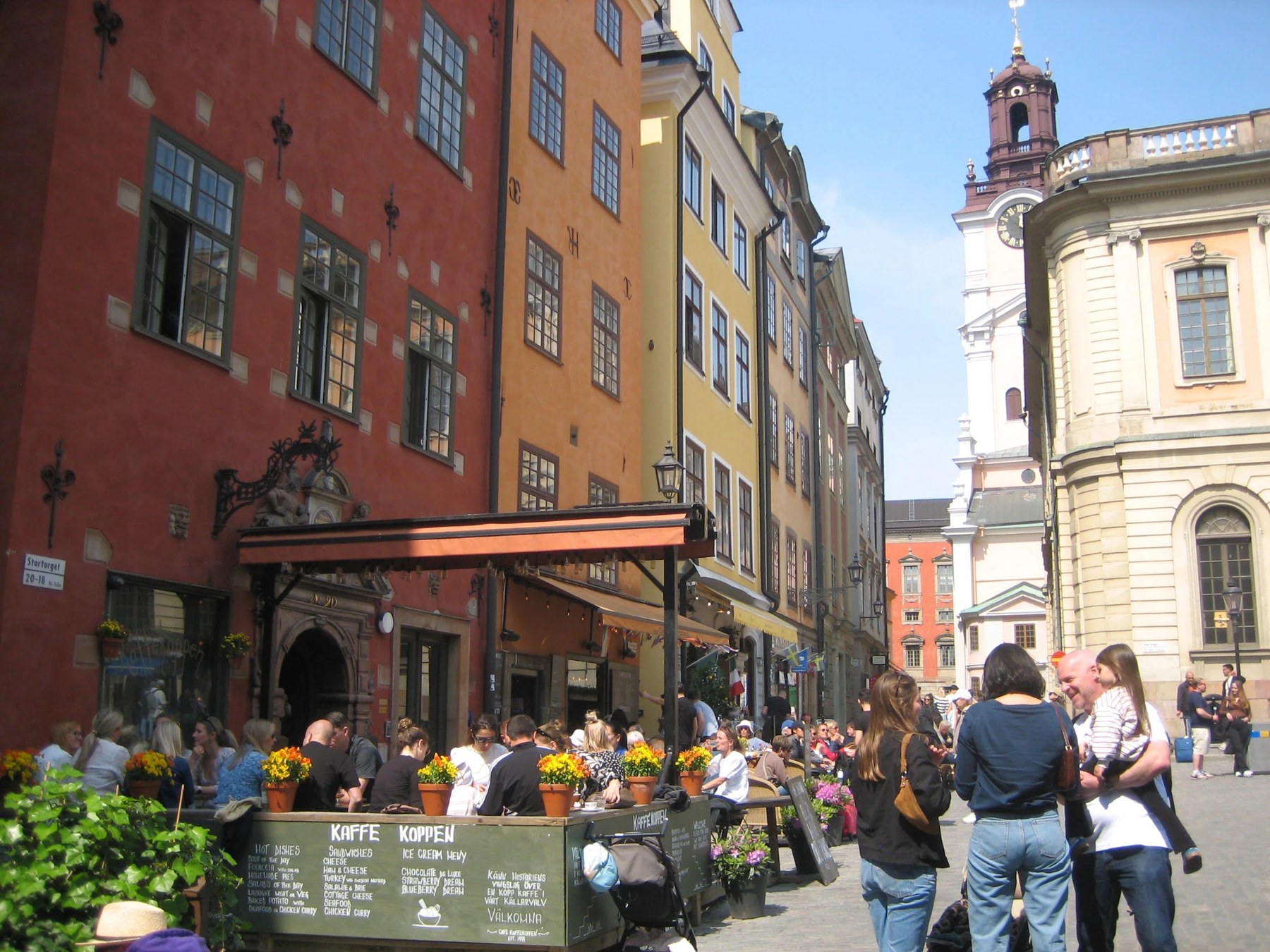
The summer before, I spent my time in Sweden and Norway on Wake Forest’s Entrepreneurial Mindset Business Experience — meeting companies, seeing how founders there think about growth in small domestic markets, and learning how much of entrepreneurship is simply the willingness to start before everything is certain.
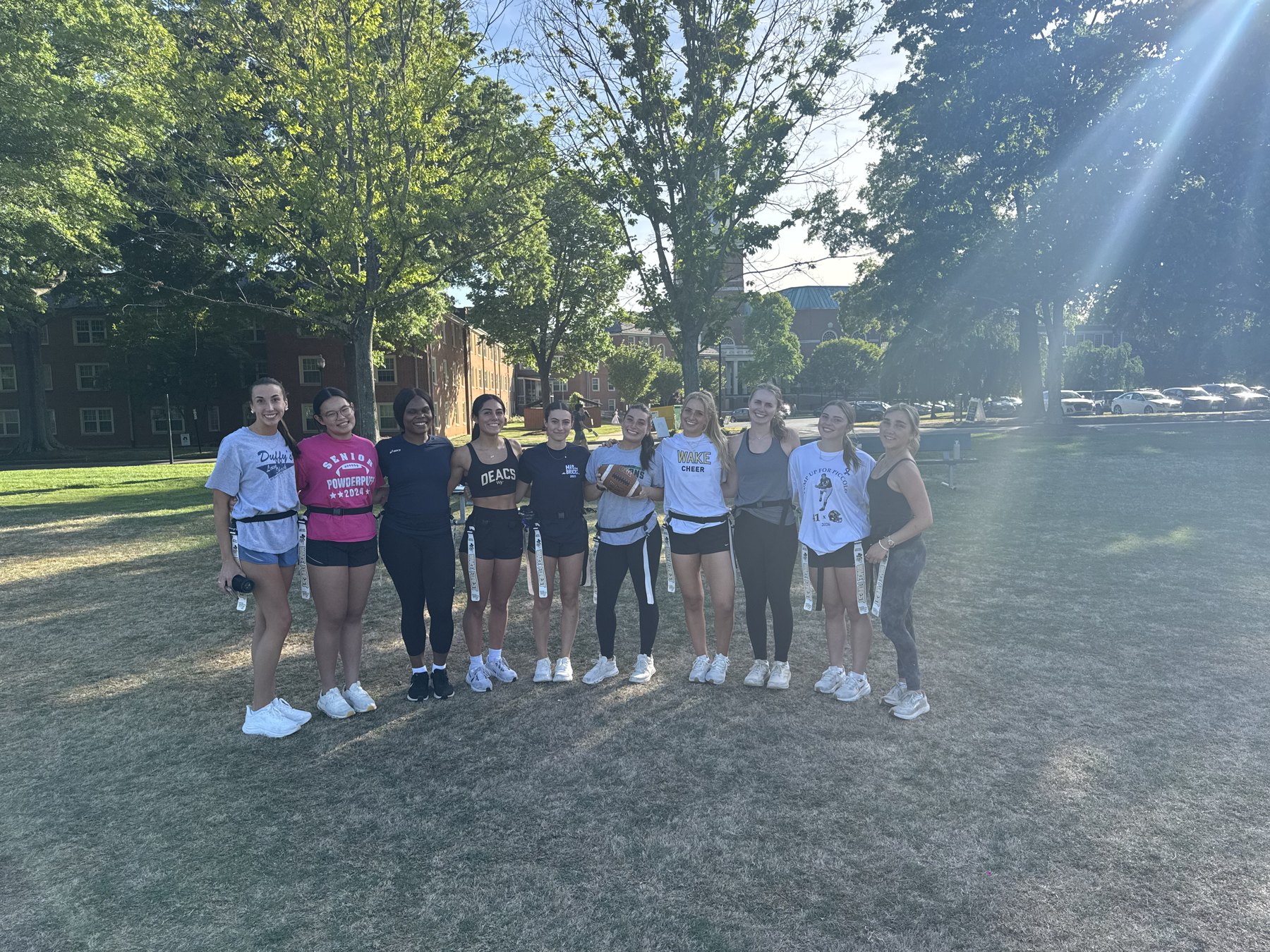
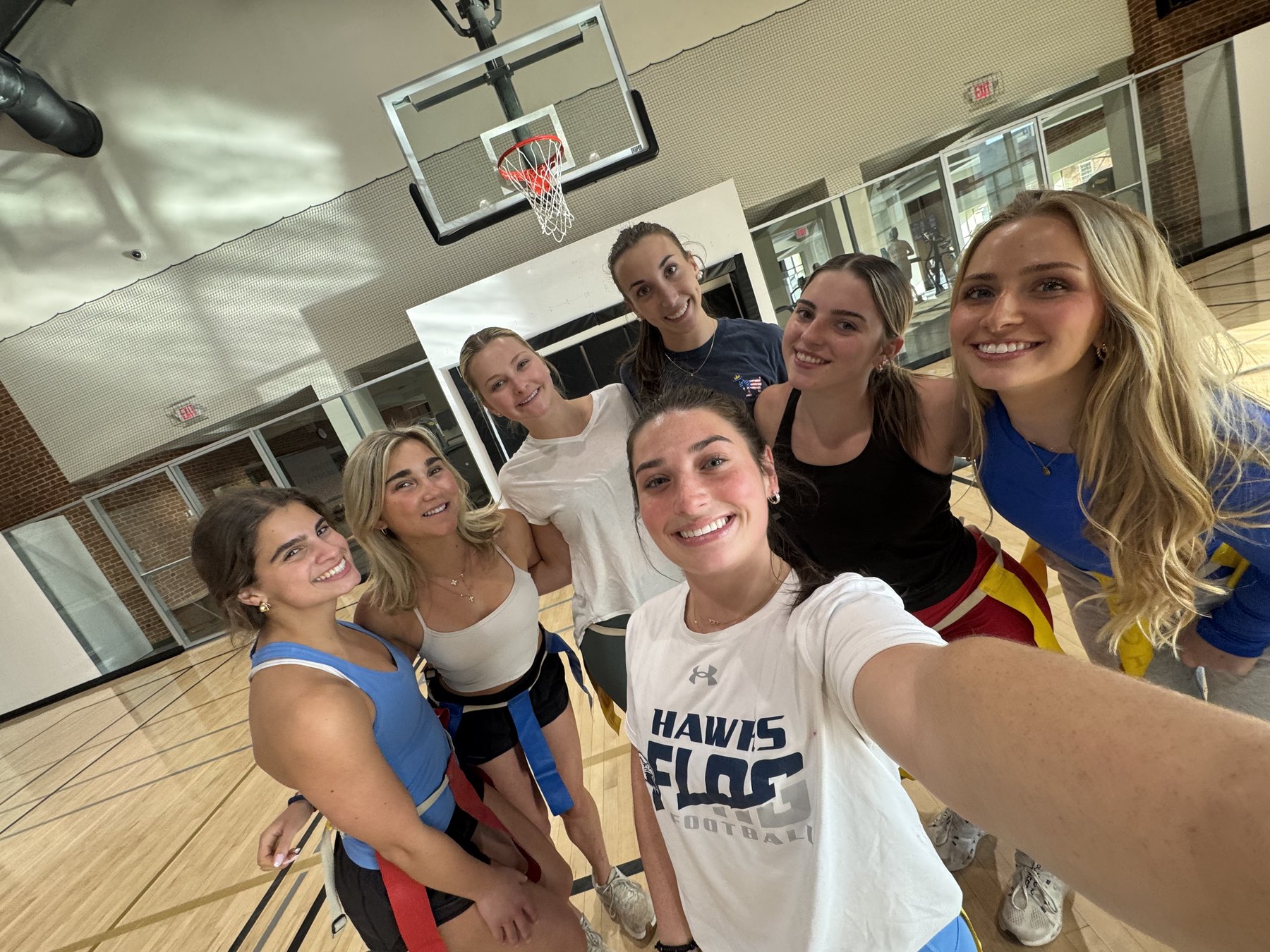
I brought that back to campus fairly literally. A few months later I founded Wake Forest’s first women’s flag football club.
Leadership
Where I actually learned to persuade
Every leadership role I’ve taken has been a marketing role in disguise. As VP of Recruitment for TAMID I had to make a case to 100+ students for why they should spend their time consulting for Israeli startups. As a Wake Forest tour guide I’m literally the brand — two or three times a week, for people deciding where to spend four years of their life. On Chabad’s advisory board I help shape events for a community of 200+ students.
Different audiences, same question every time: what does this person care about, and how do I say the true thing in the way that lands?
Beyond marketing
The rest of it
The things I’d talk about if we weren’t talking about work — most of which end up feeding the work anyway.
Founding a flag football club
Wake Forest didn’t have a women’s team. Now it does — 20+ members and counting.
Studying abroad
Sydney, Stockholm, Oslo. Three markets, three completely different ideas of “normal.”
Singing & acting
Junior off-Broadway productions. The best training I’ve had for presenting to a room.
Hiking & travel
I plan trips around what I want to see on foot, and I’d rather walk a city than ride through it.
Coffee
An ongoing research project disguised as a habit. Sydney raised my standards permanently.
Reading
Fiction mostly, marketing books when they’re actually about people.
Food & culture
The fastest way to understand a market is to eat in it and pay attention.
On stage
Performing taught me presenting
I grew up acting and singing in junior off-Broadway productions, and it’s the single most useful skill I brought into business classes. Standing in front of an audience stopped being frightening a long time ago.
It shows up every time I present a case study, pitch investors on a competition floor, or walk backwards across campus telling forty prospective students why they should come here.

On stage in a junior off-Broadway production.
Next
See how I think
about brands.
Three case studies: a market-entry strategy for Sydney, a challenger energy drink, and a student company I helped build and sell on a competition floor.